Mastering Probably Stolen Controls: A Complete Shopkeeping Guide
Struggling with shop management in Probably Stolen? Discover essential tips for navigating probably stolen controls, inventory systems, and maximizing profits.
Published:
Table of Contents
Running a cyberpunk pawnshop in the dystopian world of Probably Stolen is far from a standard business venture. As a former scavenger-turned-shopkeeper, you are constantly walking a thin line between legitimate survival and back-alley illicit trading, and mastering the probably stolen controls is the first step toward avoiding an early eviction.
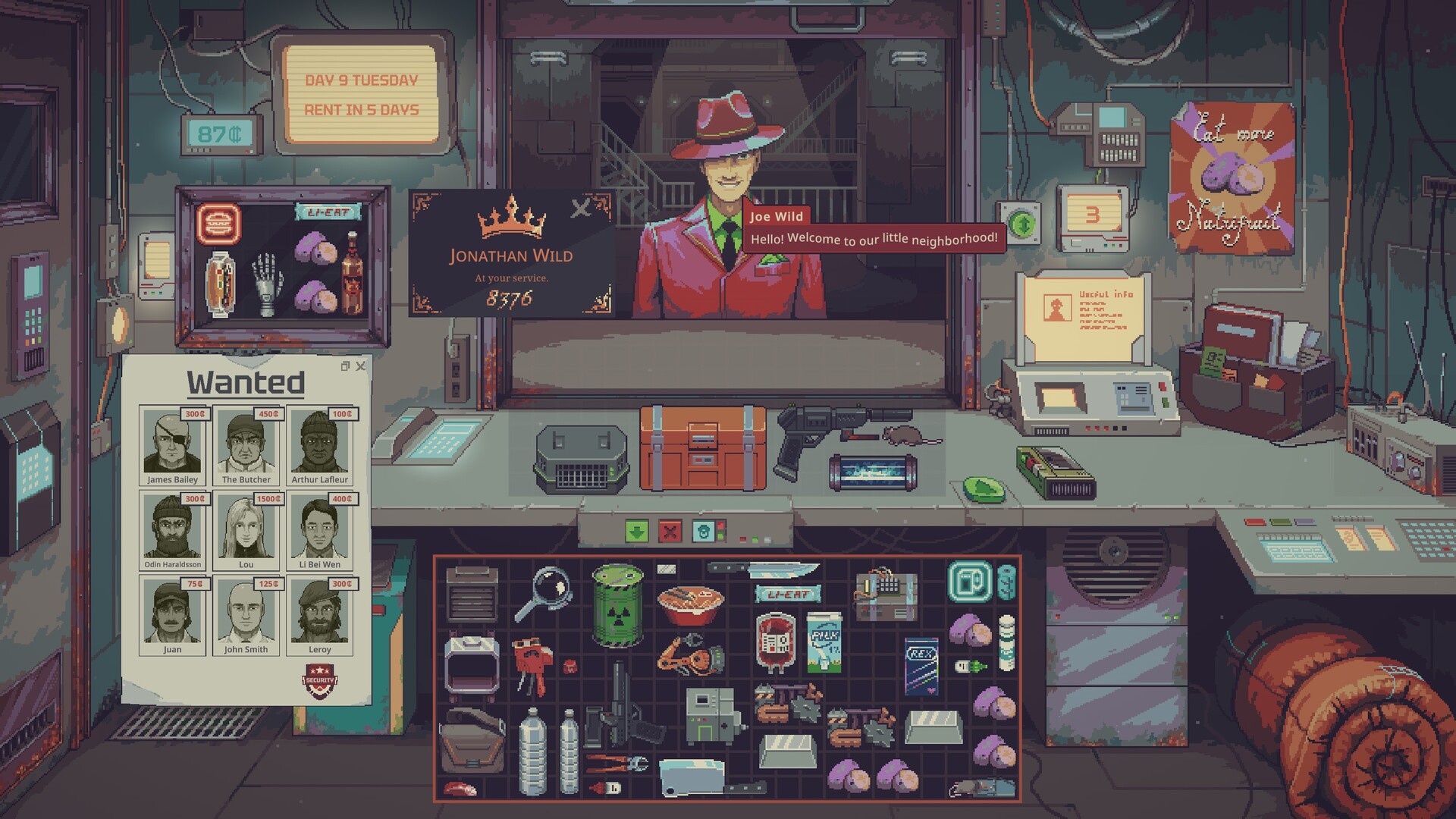
If you are feeling overwhelmed by the interface or the complexities of managing illegal inventory, you are not alone. Understanding the probably stolen controls is critical because the difference between a high-profit day and a police raid often boils down to how quickly you can navigate your UI and handle the merchandise. In this guide, we will break down the essential mechanics to help you thrive in this high-stakes environment.
Getting Started: The Interface Essentials
The game’s interface might seem cluttered at first, but it is designed for efficiency once you learn the shortcuts. Many players, especially those new to simulation games, find that the mouse-driven interactions can be slow. By utilizing keyboard shortcuts, you can significantly speed up your daily operations.
According to community reports on the Steam Community Hub, the recent update added a dedicated "Toolbox" system. This is a game-changer for those struggling with inventory management.
Key Efficiency Shortcuts
Action
Keyboard/Mouse Input
Purpose
Tool Selection
1 - 9 Keys
Quickly equip labeled tools from your Toolbox
Multi-Selection
Left-Click + Drag
Select and move multiple items simultaneously
Precise Placement
Shift + Drag
Accurate inventory management in tight containers
Sorting
Right-Click (Grid)
Automatically organize your shop's stock
Fast Delete
Delete Key
Instantly trash unwanted/low-value items
Managing Your Inventory Like a Pro
The core of your business involves stocking, authenticating, and selling goods. However, not all items are created equal. Some require deep cleaning, filtration, or permit modification before they can be sold to your customers without triggering a security inspection.
Inventory Handling Tips
Authenticate First: Never sell rare goods without appraising them. A bad appraisal leads to losing money on overvalued trash.
Hidden Compartments: If you are dealing in high-risk contraband, keep those items off the main shelves. Use your hidden compartments to hide illicit goods when security visits.
Tool Usage: Use the "Equip Mode" for tools like the red or blue labelers. This allows you to apply status markers to multiple items in one go, saving precious time.
Use the Toolbox Wisely
You can purchase the Toolbox from Dr. Jackson after day 14. Once you have it, bind your most used tools (labelers, scanners) to your number keys to avoid manual navigation through your inventory screens.
The Economics of Survival: Rent and Risk
Your primary antagonist is the ever-increasing rent. If you fall behind, your shop's reputation suffers, and the quality of your clientele drops. You must balance your profit margins against the risk of the goods you carry.
Risk-Profit Analysis Table
Product Category
Profit Margin
Security Risk
Recommended Strategy
Household Items
Low
Minimal
High-volume sales
Water/Chemicals
Medium
Moderate
Consistent income
Weapons
High
High
Require permits/bribes
Contraband
Very High
Extreme
Use hidden stashes
"Morality is a luxury item," as the developers often note. You will frequently face ethical dilemmas—do you report the nervous customer with a wanted poster, or do you take their money and look the other way? Remember, reputation buys you protection, but playing both sides of the fence is often the only way to meet your rent deadline.
Advanced Strategies: Production Chains
As your shop grows, you shouldn't rely solely on scavenging. Setting up production chains is the key to scaling your business. For instance, the Water Merchant scenario is a fantastic way to understand how machines work. By upgrading your bottle printer, you can turn raw water into a highly profitable commodity.
Common Production Mistakes to Avoid
Ignoring Durability: Machines break down. Failing to repair them with scrap will halt your supply line at the worst possible time.
Poor Placement: Don't cluster machines in a way that blocks your view of the counter. A missed customer is a missed sale.
Overlooking Upgrades: Don't hoard your credits. Upgrading your vacuum robot or adding electronic components to printers often pays for itself within two days of operation.
Navigating Faction Loyalties
Faction politics are central to your survival. Building connections with revolutionaries or even the arrogant elite can provide you with exclusive goods that have much higher resale value. However, keep in mind that every faction is watching. If you are caught selling weapons to a revolutionary by a security official, your shop will be shut down faster than you can say "rent due."
[!SUMMARY]
Faction Management
Building influence takes time. Start by fulfilling smaller requests for a single faction before trying to play both sides, as reputation losses in this game can be difficult to recover from once you are on a faction's blacklist.
Frequently Asked Questions (FAQ)
Q: I'm struggling with the probably stolen controls; can I remap keys?
A: Yes, the game supports various input methods and allows you to streamline your workflow. Check the Settings menu under 'Input' to configure keybinds that work best for your specific playstyle, especially if you are using non-16:9 monitors.
Q: How do I handle customers who won't leave?
A: You can now use the new UI settings to instantly dismiss a customer or call the next one in line. This is particularly useful during high-traffic hours when you need to clear space to manage your inventory.
Q: Is there a way to store tools more efficiently?
A: Absolutely. Purchase the Toolbox from Dr. Jackson as soon as you hit day 14. It allows you to store tools and use them with single key presses, which is a massive improvement over manual dragging.
Q: Why is my shop losing attractiveness?
A: Attractiveness is tied to your rent status and your stock. If you miss rent, customer flow drops immediately. Ensure you keep your shop clean, clear out debris with your vacuum robot, and keep high-demand items on your shelves.
By mastering these mechanics and keeping a close eye on your supply lines, you will move from a struggling scavenger to a titan of the black market. Keep your inventory organized, your tools accessible, and your eyes on the door—you never know who’s coming in next.