Probably Stolen How to Feed Rats and Master Rat Alchemy
Learn Probably Stolen how to feed rats, manage diseased vermin, and turn rat waste into pure water. Discover essential shop tips in our comprehensive guide.
Published:
Table of Contents
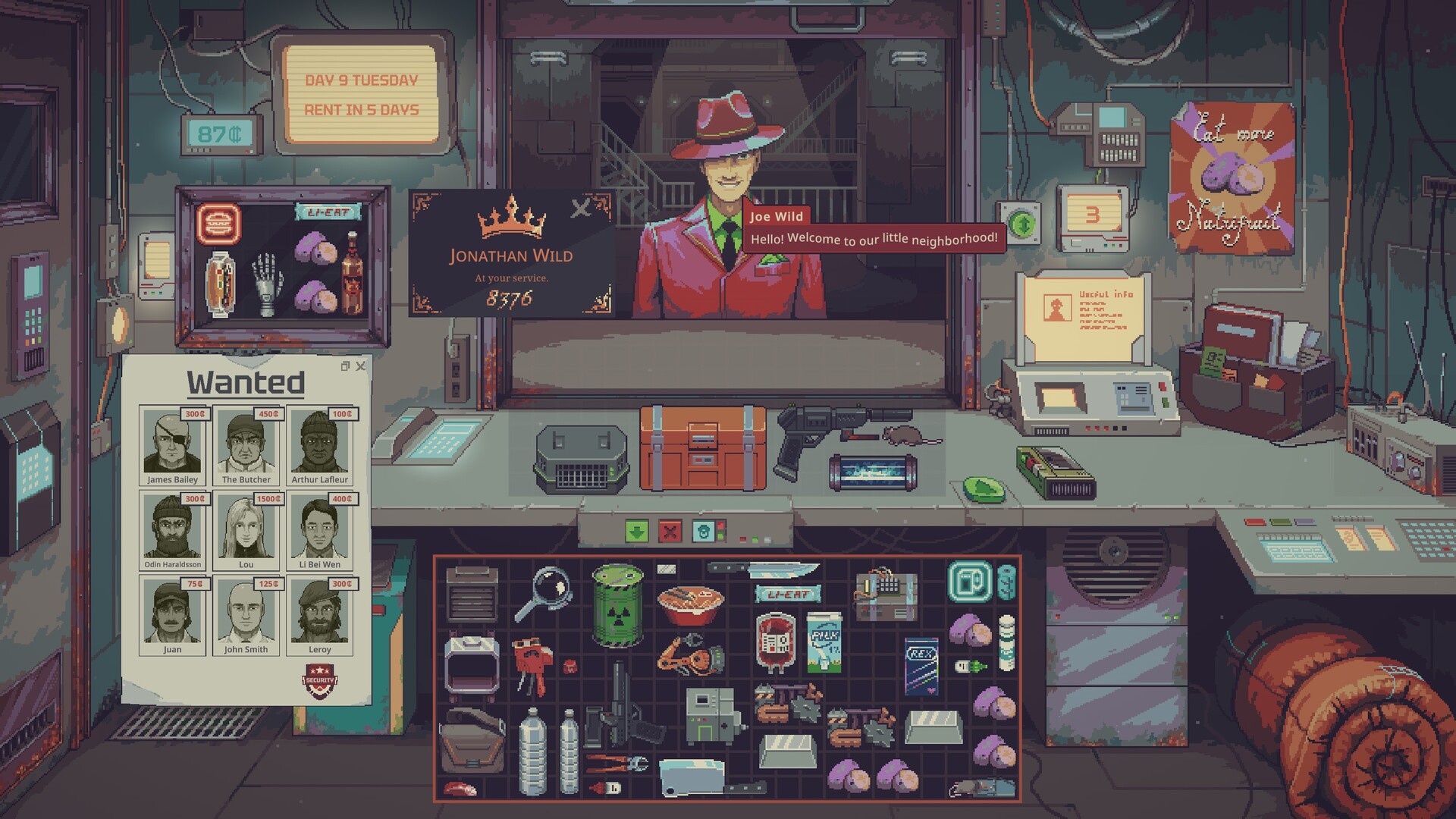
In the gritty, dystopian world of shop management, survival often depends on the smallest details, and few details are as squeaky or profitable as your resident rodents. Understanding probably stolen how to feed rats is not just a matter of virtual pet care; it is a foundational skill for players looking to master the game's complex alchemy and resource cycles. Whether you are trapped in the playtest or navigating the latest demo, knowing probably stolen how to feed rats ensures your shop remains efficient and your water supply stays topped off through some rather unconventional means.
Quick Answer
To feed rats in Probably Stolen, you must first catch them using mouse traps (cheese speeds this up). Once caught, place them in a designated area and provide Nutri Food, which can be purchased from various vendors or found while scavenging. Keeping them fed prevents disease and allows you to harvest rat droppings, which are essential for the game's "rat poop to pure water" alchemy pipeline.
Getting Started: Trapping and Initial Care
Before you worry about the specifics of probably stolen how to feed rats, you actually need to secure a population. Rats aren't just background fluff; they are active participants in your shop's economy. The primary method of acquisition is the mouse trap. While the game allows you to set a trap empty, community reports suggest that patience is a requirement here—a rat might only stumble in every few days.
To optimize your intake, always use bait. A simple piece of cheese significantly reduces the timer for a successful catch. Once you have a rat, the real challenge begins. Rats in this game have health and hunger meters. If you neglect them, they become "diseased," a state that not only reduces their utility but can potentially lead to their death, wasting the time you spent trapping them.
Rat Trap Efficiency Comparison
Method
Catch Rate
Cost
Recommended For
Empty Trap
Low (Every 3-5 days)
0 Credits
Early game / Low budget
Cheese Bait
High (Daily/Bi-daily)
~10-15 Credits
Active farming
Advanced Bait
Very High
25+ Credits
Late game production
Probably Stolen How to Feed Rats: Nutrition and Health
Feeding your rats is a deliberate process. You cannot simply drop any item into their vicinity and expect them to thrive. The primary food source is Nutri Food. This item is specifically designed to maintain rat health and encourage the production of organic waste.
When considering probably stolen how to feed rats, you should monitor the quality of the food you provide. Higher quality Nutri Food, often labeled as "Premium Ratage" by the community, helps ward off the "Diseased" status. If a rat does become diseased, its output is compromised, and you may find yourself spending more on medical supplies than the rat is worth.
According to player experience, feeding should occur daily. If you are running a "Food Challenge" style playstyle, your rats are your most consistent customers. You can place the food directly in their enclosure or use a livestock dispenser if you have unlocked that specific machinery. However, in the current playtest builds, manual feeding remains the most reliable way to ensure each rat gets its share.
Common Feeding Mistakes
Using Spoiled Food: While it might seem economical, feeding rats organic waste or spoiled human food often leads to immediate disease.
Overcrowding: If you have too many rats in a small space, the hunger logic can sometimes glitch, leaving some rats starving while others overeat.
Neglecting Water: While this guide focuses on probably stolen how to feed rats, rats also need hydration. Ensure they have access to a water source, even if it is low-quality rust water.
The Rat Poop Alchemy: Turning Waste into Liquid Gold
The most unique mechanic involving rats is the ability to transform their droppings into high-purity water. This process is a form of dystopian alchemy that requires several stages of purification. Each piece of rat poop produces approximately 10ml of "Unknown Water." While 10ml sounds minuscule, a dedicated rat farm can produce enough waste to fill pitchers over time, providing a "free" source of water in a world where every drop is taxed.
The process is tedious but rewarding for patient players. You must first collect the poop and place it into a container, such as a pitcher. This creates a mixture filled with microbes, organic waste, and insoluble debris.
The Purification Pipeline
Step
Tool Required
Contaminant Removed
Resulting Water Quality
1. Disinfection
UV Lamp
Microbes
Contaminated Water
2. Filtration
Cotton Fiber
Insoluble Debris
Base Water
3. Purification
Hydrotech Micro Purifier
Organic Waste
High Purity Water
4. Final Polish
Advanced Distiller
Trace Elements
Pure Water
Community reports highlight that while this is "free" water, the durability cost of your Cotton Fibers and the energy cost of the UV Lamp must be factored into your profit margins. It is often more of a survival tactic for the "Water Merchant" start than a primary income source for a standard shopkeeper.
Maximizing Shop Efficiency and Smuggling
Mastering probably stolen how to feed rats is just one part of being a successful shopkeeper. You must also master the physical space of your store. One of the most overlooked features is the ability to not just rotate items (using Q and E), but to flip them. Flipping is essential for fitting irregular modules into your machinery bays. For example, an L-shaped module might not fit in its standard orientation, but flipping it can mirror the shape, allowing it to snap into place and provide crucial bonuses to your shop's performance.
Furthermore, every shopkeeper needs a "Smuggler's Base." Behind the posters in your shop, there is a hidden 2x2 grid. This space is invisible to standard inspections, making it the perfect place to store keycards or vials of Dream Dust. If you are carrying contraband that risks a wholesale bonus or a security fine, the space behind the poster is your best friend.
The Smuggler's Secret
Always keep your most valuable illegal items, like high-level keycards, behind the poster. Security rarely checks there unless your reputation is bottomed out.
Advanced Economic Strategies: Dr. Jackson and Giorgio
To fund your rat-feeding habits, you need a steady stream of credits. While selling to random customers is the standard way to play, veteran players utilize specific NPCs for guaranteed income.
Dr. Jackson is a pivotal figure. He will always buy materials from you with a 15% retail markup. This includes metal ingots, electronic parts, wires, and cotton fabric. If you have a surplus of materials from scavenging or smelting ore from the GP Mining Company, Dr. Jackson is a much more reliable "sink" for these items than waiting for a specific customer to ask for them.
Additionally, always invest in Giorgio. When he asks for money for his "spaceship," give it to him. Not only will he return with more money than you invested, but he also provides a Scavenger's Token. Placing this token in your display window attracts scavengers to your shop, who often bring rare items that you can't find through standard channels.
Faction Identification by Color
Knowing who you are dealing with is vital for building reputation. The background color of the dialogue text indicates the faction:
Red: Security / Upper Level Enforcement
Gray/Dark: Lower Levels / Common Citizens
Yellow/Gold: Upper Level Citizens / Wholesalers
Green: Revolutionaries (in certain builds)
Purple/Black: Black Market / Underground Exchange
Infrastructure: Power Blocks and Storage
As you expand your rat farm and shop, your energy needs will skyrocket. The game offers two main ways to charge energy cells: Rechargers and Power Blocks. While Rechargers are cheaper, Power Blocks are significantly more efficient because they can be stacked.
If you arrange your Power Blocks so that an energy cell touches multiple blocks simultaneously, the charging speed stacks. For example, a cell touching two blocks will charge at +4 kJ per night instead of the standard +2 kJ. With a "Supercharger" setup of five blocks, you can fully charge a cell in a fraction of the time. This is essential for keeping your UV lamps and Hydrotech purifiers running for your rat alchemy.
Storage Comparison: Machine Bay vs. Extended Storage
Base Type
Dimensions
Total Squares
Best Use Case
Standard Storage
3x3
9
Initial junk storage
Machine Bay
4x4
16
Small machinery / Tools
Expanded Machine Bay
14x11
154
Heavy industrial setups
Extended Storage Bay
17x10
170
Bulk item hoarding
Dealing with Augs and Special Events
During your tenure, you will encounter "Augs." These individuals often speak in stilted, non-human patterns, focusing on "unique requests." A common community strategy is to trade with them first to extract their credits, then use a weapon to "deal" with them for additional loot. If you have counterfeit goods, Augs are the perfect target because they rarely check for authenticity.
However, be warned: if you ramp up the price too high during the initial trade, the game may prevent you from initiating combat with them afterward. It is a delicate balance of greed and tactical elimination.
For more information on the game's development and official updates, you can visit the Probably Stolen Steam Page, which remains the most authoritative source for playtest news and release dates.
FAQ: Frequently Asked Questions
Probably stolen how to feed rats - what is the best food?
The best food is Nutri Food, specifically the higher-quality variants. While rats can survive on organic waste, it significantly increases the risk of disease, which can spread to other rats and reduce your overall alchemy output.
How do I stop my rats from dying?
Ensure they are fed daily and kept in a clean environment. If a rat becomes diseased, you may need to use medical supplies or improve the quality of the Nutri Food you are providing. Keeping the enclosure near a light source or UV lamp can also help maintain a sterile environment.
Can I sell rats for profit?
In the current playtest and demo builds, there is no direct "sell rat" button. However, you profit from them indirectly by processing their waste into pure water or by using them to attract specific clientele, such as the Rat Rancher or specialized scavengers.
What do I do with rat poop?
Do not throw it away! Rat poop is the primary ingredient for the water alchemy process. By using a UV lamp, cotton fiber, and a water purifier, you can turn 10ml of waste-contaminated liquid into high-purity water, which sells for a premium to upper-level citizens.
By following this guide on probably stolen how to feed rats and mastering the underlying shop mechanics, you will transform from a struggling shopkeeper into a powerhouse of dystopian industry. Remember: in this game, nothing is truly waste if you have the right machine to process it.