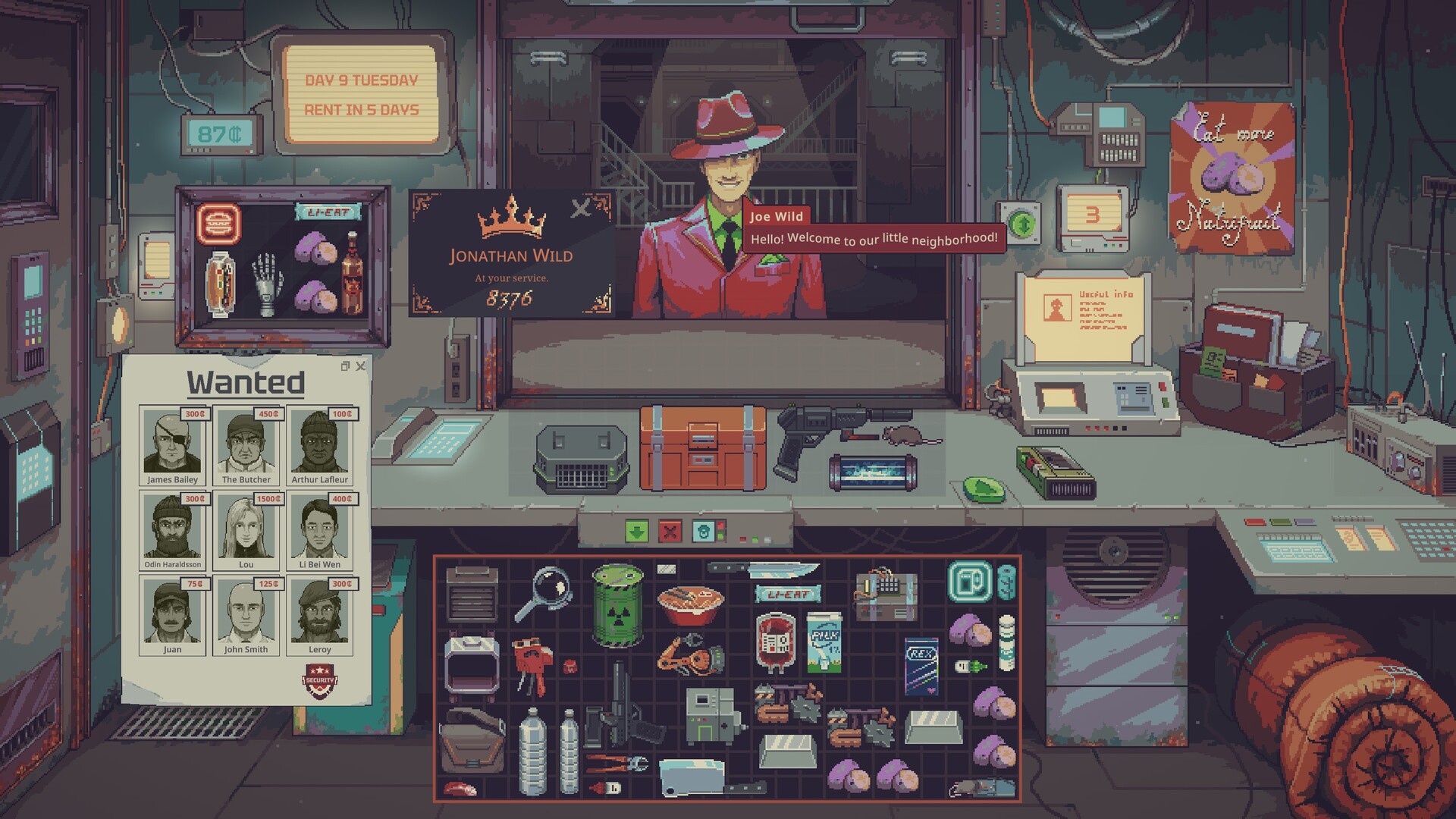
Probably Stolen Appraisal Guide: How to Value Items Correctly
Master the Probably Stolen appraisal process to maximize your shop profits. Discover expert tips on authentication, inventory management, and avoiding scams.
Published:
Video Guide
Crazy Appraisal RNG + Bye Bye Bottles! | Water Trader- Minus 10 Perk Score - Ep2 | Probably StolenTable of Contents
Running a successful pawnshop on a dystopian space station is no easy feat, especially when the line between a rare treasure and a worthless piece of scrap is razor-thin. If you want to survive, mastering the probably stolen appraisal system is non-negotiable. Whether you are dealing with scavenged tech or suspicious artifacts, knowing the true value of your stock will determine if you retire in luxury or lose your store to rising rent.
Understanding how to conduct a probably stolen appraisal correctly is the single most important skill for a shopkeeper. If you misjudge the value of a high-end electronic component or accept a counterfeit item as genuine, your margins will vanish overnight. In this guide, we will break down the mechanics of item valuation, the importance of authentication, and the best strategies to ensure your balance sheet stays in the green.
Why Appraisal Accuracy Dictates Your Success
In Probably Stolen, items are not always what they seem. Suppliers are known to overstate the value of goods, and customers often try to dump low-quality junk into your inventory. Performing a probably stolen appraisal is your primary defense against bankruptcy. Without a keen eye, you might pay premium prices for items that will only sit in your display case, gathering dust and tying up your precious liquidity.
Beyond just the raw numbers, the appraisal process acts as a gateway to better business. As you learn to authenticate items, you unlock the ability to spot counterfeits early, saving you from the reputational damage and financial losses associated with reselling fake goods.
The Financial Impact of Poor Valuation
Mistake
Consequence
Financial Risk
Overpaying for Scrap
Inventory bloat, wasted space
High (Liquidity loss)
Missing Counterfeits
Reputational loss, angry customers
Very High (Long-term)
Ignoring Market Trends
Goods sit unsold
Medium (Opportunity cost)
Neglecting Authentication
Selling junk as genuine
Catastrophic (Faction ire)
Authentication: The Key to Profit Margins
Authentication goes hand-in-hand with the probably stolen appraisal routine. Before you commit to buying or displaying an item, you must ensure its legitimacy. Take cigarette packs, for instance; they require a visual inspection before resale. If you skip this step, you risk selling "genuine" stock that is actually counterfeit, which can alienate your best customers and invite unwanted attention from local authorities.
According to community reports, players should always inspect items with irregular shapes or suspicious labels. Use your tools to verify the manufacturer’s mark. If you are ever unsure, it is better to offer a lower price than to risk the entire transaction.
Don't Rush the Appraisal
Never buy an item the moment it hits your desk. Always take the extra few seconds to check for "counterfeit" markers, especially when dealing with high-ticket electronics or rare artifacts that promise high markups.
How to Set Up Your Appraisal Workflow
To streamline your daily operations, you need a workflow that prioritizes high-value items. Start by clearing your display space and identifying your core product line. Whether you are a Gunsmith, a Chemist, or a Water Merchant, the appraisal logic remains the same: identify, authenticate, and price.
Essential Workflow Steps
Incoming Inspection: Place all new inventory in a staging area.
Visual Authentication: Check for physical indicators of quality (wear and tear, labels).
Market Comparison: Check your calendar for event-driven price fluctuations.
Final Valuation: Set the retail price based on current faction demand.
Managing Contraband and Faction Risks
One of the most complex parts of the probably stolen appraisal game loop is knowing what to do with contraband. When you identify an item as illegal, you face a choice: hide it, sell it to a black-market contact, or report it. Reporting thieves can net you quick cash and boost your security reputation, but it cuts off access to valuable black-market supply chains.
If you choose to fence stolen goods, you must maintain a high level of store security. Install alarm systems and invest in insurance. Remember that even if an item is "stolen," it doesn't mean it lacks value. In fact, many contraband items carry higher markups than legal goods, provided you can find the right buyer.
Faction Type
Preferred Goods
Risk Level
Strategy
Security
Legal Artifacts
Low
Report illegal goods
Revolutionaries
Contraband
High
Build rapport via trades
Fallen Elites
Rare Electronics
Medium
High-markup sales
Scavengers
Scrap/Materials
Low
Trade for bulk items
Advanced Strategies for Experienced Shopkeepers
Once you have mastered the basics of a probably stolen appraisal, it is time to optimize for the late game. One secret shared by top players is the use of specialized modules. Fitting your equipment with modules that increase "Quality" or "Efficiency" can drastically change the output of your production chains, making your appraised goods far more valuable than the base materials used to create them.
Don't ignore the importance of the official Steam page for the latest updates on mechanics and potential community-discovered strategies. Keeping up to date with patch notes is vital, as the developer frequently adjusts how appraisal values scale with your store's attractiveness.
Scaling Your Profits
Invest in Machinery: Upgraded furnaces and chemists turn junk into high-purity ingots.
The Power of Storage: Use expanded storage bays to keep your stock organized, ensuring you don't accidentally mix counterfeit items with genuine stock.
Passive Income: Use mousetraps for rat meat, which acts as a consistent source of revenue while you focus on the more complex appraisal tasks.
FAQ: Mastering Probably Stolen Appraisal
Q: How can I tell if an item is a high-value find or just junk?
A: Use your appraisal board. By placing items in the case, the system provides a percentage likelihood of a buyer purchasing that specific item at your set price. If the probability is low, you are likely overpricing or the item has low desirability.
Q: Is insurance necessary if I am just starting out?
A: Absolutely. Buying insurance daily is a mandatory tip for any "rock bottom" run. It protects your hard-earned goods from being stolen overnight and increases your favor with key NPCs like Joe Wild, which leads to better upgrades.
Q: Should I always report thieves to the authorities?
A: Only if you need the quick cash. Reporting thieves boosts your security reputation but damages your standing with the black market. If you rely on illegal goods for your profit margins, keep the thieves as contacts.
Q: What is the fastest way to increase store traffic?
A: Keep your store clean and maintain high attractiveness. Upgrades like projectors and the Joe Barlow display cases are excellent investments to draw in more "normal expected customers."
By consistently applying these techniques, you will find that the probably stolen appraisal process becomes second nature. Stay alert, keep your gun handy for any rogue AI augs, and always, always double-check the labels on your goods. Your space station empire depends on your attention to detail!