Probably Stolen Power Block Guide: Maximize Energy Efficiency
Discover how to optimize your probably stolen power block layout to charge energy cells faster and power your shop machines efficiently in this guide.
Published:
Table of Contents
In the neon-drenched corridors of a dystopian space station, energy is just as valuable as the contraband you hide under your floorboards. Managing your probably stolen power block setup is the difference between a profitable week and losing your storefront to rising rent. As you navigate the complexities of shopkeeping, understanding how a probably stolen power block functions will allow you to power essential machinery without draining your credits.
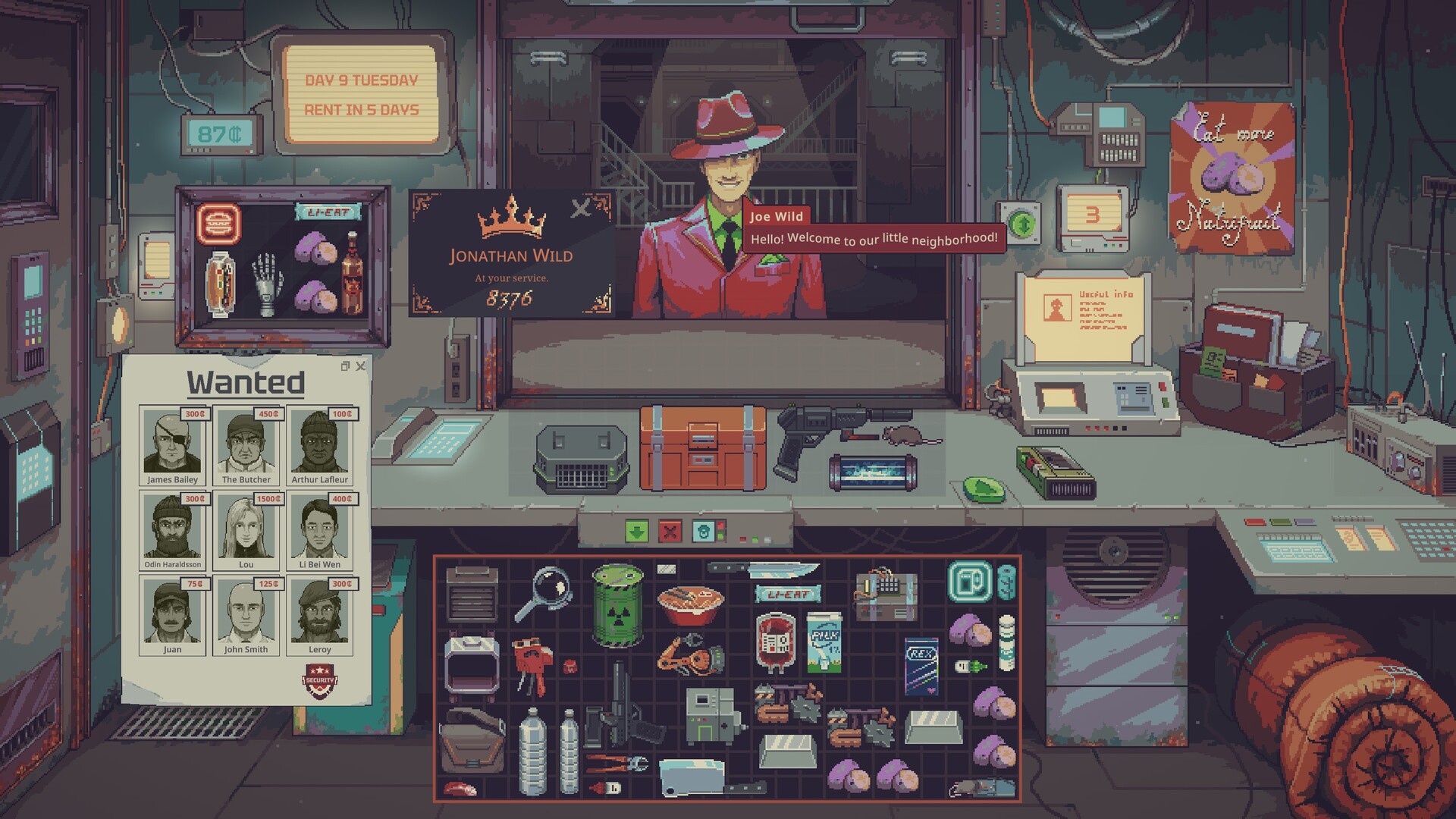
For many players, the early game is a desperate scramble to balance utilities, insurance, and inventory. However, once you invest in your first probably stolen power block, the game's economy begins to shift in your favor. By moving away from basic rechargers and toward a sophisticated grid of power blocks, you can automate your shop's most profitable processes, from water purification to alarm systems. In this comprehensive guide, we will break down the mechanics, optimal layouts, and advanced strategies for mastering energy management in Probably Stolen.
Understanding the Probably Stolen Power Block Mechanics
The probably stolen power block is the primary infrastructure for any serious shopkeeper. Unlike temporary solutions, these blocks provide a steady stream of energy each night, provided you have paid your power bill or unlocked specific perks. According to community reports, a single power block provides a base output of 2 units of power per night. While this might seem small initially, the true strength of the power block lies in its ability to stack and its unique spatial requirements.
A critical mechanic that many new players miss is that a machine or energy cell only needs to touch a single square of the power block to receive a charge. Since the power block occupies multiple tiles, you can surround it with various items to maximize its utility. Furthermore, if an energy cell is placed in a position where it touches two or more power blocks simultaneously, the charge rate stacks. This "supercharging" method is essential for players who need to quickly replenish high-capacity energy cells for heavy machinery.
Power Block vs. Rechargers: The Efficiency Debate
New shopkeepers often start with a basic recharger, but veteran players generally recommend transitioning to power blocks as soon as possible. The recharger is slightly cheaper (150 credits), but it is significantly less efficient in terms of space and long-term output.
Feature
Recharger
Power Block
Purchase Cost
~150 Credits
~200-250 Credits
Space Footprint
2x2 (4 squares)
2x2 (4 squares)
Max Items Charged
4 Batteries/Cells
Up to 8 Batteries/Cells
Charge Rate
Fixed
Stackable with other blocks
Versatility
Charging only
Powers machines + charges cells
Space is Money
In the cramped confines of your station shop, every tile counts. Using one probably stolen power block to charge eight cells is twice as space-efficient as using two rechargers for the same task.
Optimal Layouts for Maximum Energy Output
To get the most out of your probably stolen power block, you must master the art of inventory Tetris. Because energy cells only need to overlap with one corner or edge of the block, you can arrange them in a "pinwheel" or "sandwich" formation. In a pinwheel formation, a single block can effectively service eight different energy cells at once, providing 16 total units of power per night to your inventory.
If you have reached the mid-game and possess multiple power blocks, you can begin stacking them. By placing an energy cell between two blocks, it receives 4 units of power (2 from each block). Community testing has shown that with five power blocks arranged correctly, you can charge a single cell by 10 units overnight. This is particularly useful for powering high-drain devices like the Advanced Turbo-Booster or large-scale water filtration systems.
Stacking Bonuses and Charge Rates
Number of Blocks Touching Cell
Base Nightly Charge
With Joe Wild Upgrades
1 Block
+2 kJ
+4 kJ
2 Blocks
+4 kJ
+8 kJ
3 Blocks
+6 kJ
+12 kJ
4 Blocks
+8 kJ
+16 kJ
5 Blocks (Supercharge)
+10 kJ
+20 kJ
Integrating Power with Shop Machinery
Your probably stolen power block isn't just for batteries; it is the lifeblood of your store's automated systems. Machines such as the Smuggler’s Bay, the Bottle Printer, and the Alarm System all require consistent power to function. If these machines are placed adjacent to a power block, they will not only operate during the night but will also recharge any internal energy cells they contain.
One of the most effective strategies involves the Alarm System. While it prevents theft, its true value comes from the Alarm Transmitter Module. This module generates 1 reputation point with Security every night, but it drains significant power. By placing your Alarm System next to a dedicated power block, you can maintain high security standing without ever worrying about the machine running dry. This synergy is a cornerstone of the "Model Citizen" playstyle, allowing you to focus on high-margin contraband while keeping the authorities at bay through automated reputation building.
Machine Power Priority List
Alarm System: Essential for reputation and theft prevention.
Smuggler’s Bay: Necessary for processing high-value illegal goods.
Bottle Printer: Key for the water merchant route, especially when upgraded.
Hydroponic Equipment: High power drain but provides consistent food/liquid income.
Advanced Energy Strategies: Dr. Jackson and Faction Perks
To truly master the probably stolen power block ecosystem, you must interact with the station's factions. Dr. Jackson, the local scientist, is your primary source for energy-related items. A common pro-tip among the community is to buy empty energy cells from him. Loading an empty 100 kJ cell costs nothing but time and power, but a fully charged cell is worth significantly more in trade. This allows you to turn "surplus" nightly power into cold, hard credits.
Furthermore, faction reputation significantly affects your overhead. With high "Lower Level" standing, the cost of energy cells and power-related modules at Dr. Jackson’s shop drops by 15%. When combined with the "Sawyer’s Crew" perk—which makes janitor services free—you can redirect your entire daily budget into expanding your power grid.
Dr. Jackson's Material Trade-In Bonuses
Dr. Jackson doesn't just sell; he buys. He is one of the few NPCs who will always buy materials (metal ingots, electronic parts, wires) at a 15% retail markup.
Material Type
Base Value
Dr. Jackson Price (15% Bonus)
Metal Ingot
60 Credits
69 Credits
High-Purity Ingot
80 Credits
92 Credits
Electronic Parts
45 Credits
51.7 Credits
Empty Energy Cell
10 Credits
11.5 Credits
Common Pitfalls in Power Management
Even with a perfect probably stolen power block setup, players can run into trouble if they ignore the station's shifting economy. Rent increases every week, and if you invest too heavily in power blocks without maintaining a cash reserve, you may find yourself unable to pay the very power bill that keeps your blocks running.
Another common error is failing to upgrade your machinery. An un-upgraded Bottle Printer or Vacuum Robot consumes power inefficiently. Always look for efficiency modules to offset the drain of your more advanced equipment. According to community guides on Steam, the "Power Hijack" ability is the ultimate goal for energy management, as it removes the power service cost from your End of Day UI entirely, making your shop's energy grid completely self-sustaining.
The Vandalism Tax
If your shop is vandalized, your power blocks may be temporarily disabled or their efficiency reduced. Investing in the "Sawyer’s Crew" perk helps mitigate the cost of cleaning up after these events, ensuring your energy grid returns to full capacity as quickly as possible.
Summary of Energy Optimization Steps
To ensure your shop remains the most efficient on the station, follow these steps:
Start Small: Use your first power block to charge multiple small batteries for resale.
Layout Matters: Arrange your blocks and cells in a pinwheel to maximize the 2 units of nightly power per block.
Upgrade Early: Visit Joe Wild to double the charge rate of your blocks as soon as you have the credits.
Reputation Farming: Use powered Alarm Transmitters to gain Security rep passively.
Profit from Surplus: Buy empty cells from Dr. Jackson, charge them overnight using your probably stolen power block, and sell them back for a profit.
By treating power not just as a utility but as a resource to be traded and optimized, you can overcome the station's harsh economic curve. Whether you are a water merchant or a high-end fence, a robust energy grid is your best defense against the rising tide of rent.
</hr>
FAQ: Probably Stolen Power Block & Energy Management
How many items can one probably stolen power block charge?
Technically, you can fit up to 8 energy cells or small machines around a single probably stolen power block. Because an item only needs to touch one of the block's tiles to receive power, you can place them at the corners and along the edges to maximize the 2x2 footprint of the block.
Is it better to use a recharger or a power block?
In almost every scenario, the probably stolen power block is superior. While rechargers are slightly cheaper, power blocks are more space-efficient and allow for "stacking." Stacking allows you to charge a single cell much faster by placing it between multiple blocks, a feature rechargers do not support.
Does the power block work if I don't pay my power bill?
No, unless you have unlocked the "Power Hijack" perk. Normally, your power blocks require an active power service to function overnight. If you fail to pay your utilities, your machines will not run and your cells will not charge, which can be devastating for a shop relying on automated production.
Where can I buy more power blocks or energy cells?
Dr. Jackson is your primary contact for all things energy-related. You can find his shop during after-hours exploration. His inventory often includes empty energy cells, power blocks, and various modules to improve your shop's efficiency. Building reputation with the Lower Levels will grant you a 15% discount on these essential items.