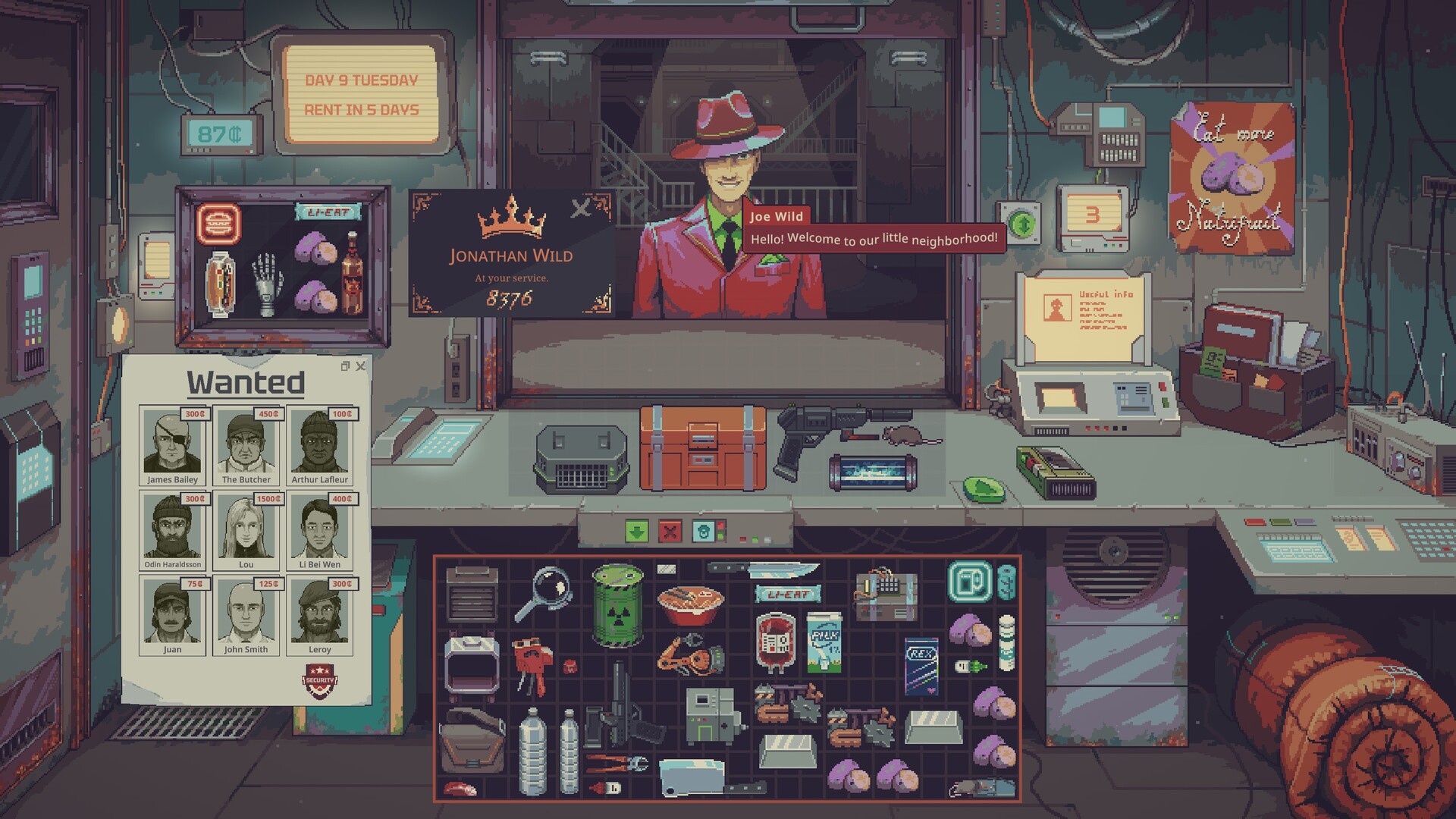
Probably Stolen Food for Rats: Mastering the Hoarding Mechanic
Discover how probably stolen food for rats affects your gameplay, hoarding mechanics, and management strategies in this detailed simulation game guide.
Published:
Table of Contents
Managing a colony of rats involves more than just keeping them alive; it requires understanding their bizarre, sometimes obsessive, behaviors. If you have ever wondered why your stash seems to be disappearing or why your rats are hiding supplies in the most inconvenient places, you have likely encountered the "probably stolen food for rats" mechanic. This unique gameplay feature isn't just a bug—it’s a core aspect of the simulation that challenges how you organize your resources.
In this guide, we dive deep into why your virtual pets are acting like tiny, furry hoarders. Understanding the "probably stolen food for rats" logic is essential for players who want to maintain high efficiency and keep their colonies running smoothly. Whether you are dealing with resource shortages or simply trying to optimize your storage crates, mastering these behaviors is the key to thriving in the later stages of the game.
Understanding the Hoarding Instinct in Your Colony
Rats are naturally programmed to gather and secure resources. In the simulation, when your food supply is left unsecured, you might find yourself questioning the "probably stolen food for rats" status of your inventory. This happens when the game tracks items that have been moved from designated storage areas to private, rat-controlled "stashes."
For many players, this creates a logistical nightmare. You might assume your food has vanished, but in reality, your rats have simply relocated it. This instinctive behavior reflects real-world rodent patterns, where rats prioritize safety and survival by creating hidden stockpiles.
Why Rats Hoard Resources
Survival Mechanism: Even in a controlled simulation, rats act as if they fear future scarcity.
Mental Stimulation: Engaging in the process of moving items provides activity for the rats.
Territory Control: Stashing food is a way to claim a corner of the cage or map as their own.
Motivation
Description
Impact on Gameplay
Fear of Scarcity
Instinctive drive to store food for "lean times."
Increases loss of inventory visibility.
Territoriality
Marking items as their own.
Items become "stolen" from player control.
Enrichment
The act of moving items is a fun activity.
Leads to messy or disorganized layouts.
Managing the "Probably Stolen" Status
When you see an item labeled as "probably stolen food for rats," it indicates that the item has been removed from your active market supply or standard storage. This is a crucial distinction for players who rely on selling goods for profit. If you are running a shop or managing a commissary, having your high-value inventory snatched by your colony members can drastically cut your daily earnings.
To mitigate this, you need to use designated "contraband" or "locked" storage containers. By securing your high-value items, you prevent the rats from incorporating them into their private hoard. If an item is already stolen, you have to decide whether it is worth the effort to retrieve it or if it is better to let them have it for the sake of their happiness.
Strategic Tips for Inventory Control
Use Locking Mechanisms: Always prioritize placing food in secure containers before starting your "shop" phase.
Monitor Stash Spots: Keep an eye on igloos, corners, and bedding areas—these are the favorite locations for your rats to hide their loot.
Trade Out: If you notice your rats have stolen a specific type of food, offer them a less valuable, decoy treat to discourage them from taking your sellable goods.
Comparing Stashing Behaviors by Rat Personality
Not all rats act the same. Players often notice that some individuals are "serial hoarders," while others are more interested in simply consuming what is in front of them. According to community reports and player observations, these behaviors often correlate with the specific traits of the rats you are breeding or rescuing.
Rat Personality Type
Hoarding Intensity
Preferred Stashing Spot
Food-Obsessed
Very High
Direct reach (Igloo entrance)
Anxious/Traumatized
Moderate
Under blankets/deep bedding
Active/Busy
High
Various random locations
Laid-back
Low
Usually leaves food in the dish
The Economics of Stolen Goods
In the game’s economy, the "probably stolen food for rats" label doesn't just mean the item is hard to find; it often changes the value of the item in the eyes of the AI customers. If your customers are looking for specific items, they might not purchase anything that carries the stolen tag. This effectively turns your hard-earned stock into unusable debris unless you can move it back to your primary, "clean" inventory.
If you find yourself with an abundance of stolen items, your best bet is to use the "quick sort" and "move" tools provided in the latest updates. The developers have added quality-of-life features that allow you to drag and drop items more efficiently. Use these to sweep your cage every morning.
Workflow for Reclaiming Resources
Morning Inspection: Check all bedding areas immediately after the "sleeping" phase.
Sort the Spoils: Identify the "stolen" items versus the legitimate stock.
Cleanse: Move all stolen goods back to the commissary or sell them in a bulk, non-discriminatory deal if possible.
Preventive Measure: Use scrap metal to upgrade your storage containers to prevent future theft.
Common Mistakes When Dealing with Rat Hoarders
The most common error players make is becoming frustrated and trying to clear the cage constantly. Not only is this time-consuming, but it can also cause the rats to become stressed, which might trigger other negative behaviors like aggression or lethargy. Remember, this is a simulation game—the goal is to manage the chaos, not necessarily eliminate it entirely.
Another mistake is failing to account for "spoiled" food. When rats stash perishable items like grapes or raw meat, they leave them in corners for days. If you don't clear these out, your hygiene metrics will plummet, leading to sick rats.
Checklist for a Healthy Cage Environment
[ ] Remove all perishable stashed items every 24 hours.
[ ] Check for non-food items (like household goods) mixed in with food piles.
[ ] Use the "trash" function for anything that has started to turn brown or smell.
[ ] Keep your medical supplies in a locked, inaccessible crate at all times.
FAQ: Mastering Rat Behavior and Hoarding
Q: Is "probably stolen food for rats" a permanent status for an item?
A: Not necessarily. While the game labels these items as stolen, you can often "cleanse" the status by moving the items back into your primary storage or inventory slots, provided the game’s logic acknowledges the move.
Q: Does stealing food mean my rats are unhappy or starving?
A: Rarely. Usually, it is simply a reflection of their instinctual nature. Even well-fed rats will stash food because they enjoy the process of organizing their own private territory.
Q: What is the best way to stop them from stealing my profit?
A: Invest in higher-tier storage modules as soon as possible. Locking your commissary and using specific storage crates for engineering or medical goods will keep your saleable items out of their greedy paws.
Q: Should I punish my rats for stealing food?
A: No. Punishment mechanics are not supported in this game. If your rats are acting out or biting when you reach into the cage, it is likely due to fear or territorial behavior, not "misbehavior" in the human sense. Focus on positive reinforcement by providing treats in designated areas.
For more technical details on the game's evolving mechanics, check the official Probably Stolen Steam community page to see the latest balance changes regarding storage and inventory management.