Probably Stolen Game: Who Buys Luxury Items for Profit?
Discover the best strategies for selling luxury items in Probably Stolen. Learn which customers pay the most and how to master the game's economy.
Published:
Table of Contents
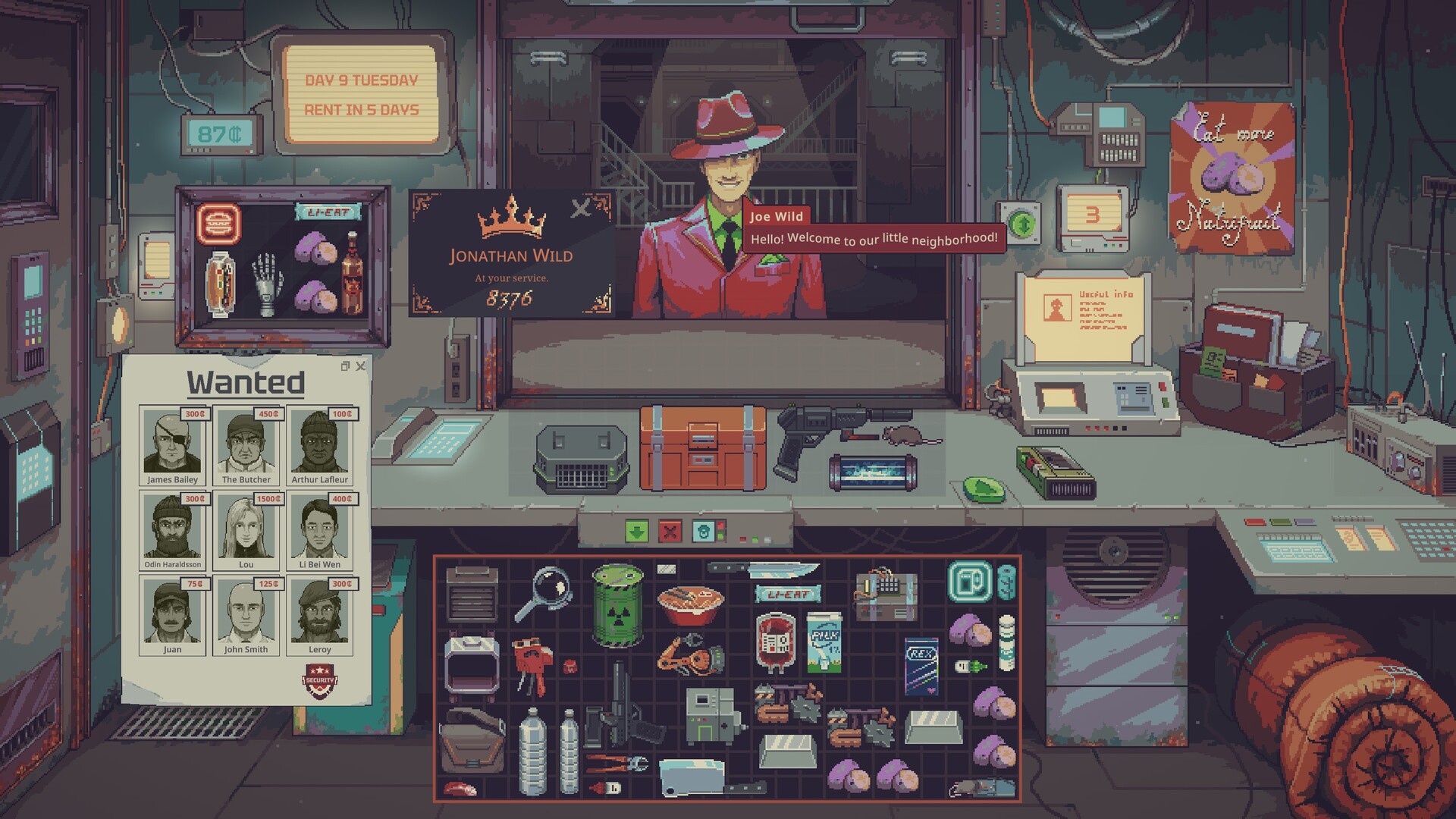
Managing a storefront in a dystopian space station is no small feat, especially when the items on your shelves are, let’s say, of "flexible" origin. If you have ever played the probably stolen game who buys luxury items question has likely crossed your mind while staring at a display case full of high-value contraband. In Probably Stolen, success isn't just about what you stock; it’s about understanding the complex psychological and economic profiles of the station's diverse clientele.
As you progress through your shopkeeping journey, knowing exactly who buys luxury items—and how to maximize those margins—is the difference between a thriving business and being evicted by your landlord. In this guide, we will break down the essential trading mechanics, faction loyalty systems, and the hidden risks of high-end sales to ensure your balance sheet stays in the black.
Navigating the Retail Underworld: Who Actually Buys Luxury?
In the gritty world of the Lower Levels, luxury items are not just status symbols; they are potential liabilities. Whether you are dealing with rare chemicals, high-grade medical supplies, or "recovered" tech, your customer base is segmented by their needs and their risk tolerance.
According to player reports on Steam, the key to profitability lies in identifying the "fallen elites" and specialized faction agents. Unlike the common scavenger, these individuals have significantly higher credit caps and are often willing to pay a premium if the item meets their exact specifications.
Customer Segmentation for Luxury Goods
Customer Type
Preferred Goods
Payment Behavior
Risk Level
Fallen Elites
Rare Tech, Chemicals
High Premium
Low-Medium
Revolutionary Agents
Contraband, Intel
High Budget
High
Security Fishers
Legitimate Supplies
Standard Rates
Extreme
Expedition Leaders
Medical Kits, Food
Bulk Discounts
Low
The Art of Appraisal: Why Quality Matters More Than You Think
When you are wondering about the probably stolen game who buys luxury items and how to fetch the highest price, the answer is often tied to the "Quality" stat of your goods. In Probably Stolen, simply having an item on the shelf isn't enough; you must ensure its purity and authenticity meet the high standards of the station’s wealthy clientele.
How to Prepare Luxury Goods for Sale
Verification: Always use a diagnostic tool to check if the item is counterfeit. Selling fake goods to elites can destroy your reputation.
Refining: Use your filters and UV lamps to boost water or chemical purity to the 99% range.
Labeling: Ensure your labels match the product. Mislabeling is a common error that leads to lost sales and potential heat from the station security.
Discounting Strategy: Even for luxury items, offering a small, calculated discount can trigger a "fairness bonus," which often results in a higher overall payout than a cold, non-negotiated sale.
Don't Over-Process
Community testing suggests that over-modding machines for quality can sometimes lead to diminishing returns or unexpected bugs. Stick to a balance of efficiency modules to keep your production cycle consistent.
Managing Risks: When to Refuse a Sale
While it is tempting to dump all your high-value inventory onto the first person with deep pockets, this is a dangerous game. Every sale is a potential investigation. If you are constantly asking, "In this probably stolen game who buys luxury items without bringing the authorities to my door?" you need to start paying attention to the context of your transactions.
Security officials often pose as buyers to "fish" for evidence of contraband. If you suspect a customer is from the security faction, avoid selling items that are clearly labeled as "stolen" or "illegal."
Risk Indicators in Retail
Customer Dialogue: If a buyer asks vague questions about the "origin" of an item, they are likely investigating.
Faction Reputation: High reputation with a faction (like the Revolution) can unlock safer channels for selling high-end contraband.
The "Heat" Factor: Watch your station security alert meter. If it’s high, avoid any transaction that involves specialized, high-heat items.
Advanced Production: Scaling Your Luxury Business
Once you have established a steady flow of customers, you need to scale. Building a successful empire requires more than just luck; it requires an optimized production line. You will need to balance your water purifiers, chemical stations, and smuggler bays to ensure that when a high-spender walks in, you aren't stuck with empty shelves.
Production and Profitability Data
Machine
Primary Use
Profit Margin
Maintenance Frequency
Water Purifier
High-Purity H2O
Moderate
High
Chemical Lab
Niche Narcotics
High
Medium
Smuggler Bay
Illicit Goods
Very High
Low
Hydroponic Bed
Basic Nutrients
Low
Low
As noted by experienced players, the smuggler bay is your best friend when dealing with luxury contraband. However, these bays require dedicated maintenance. If you leave them unattended, you risk losing both your product and your shop's license.
FAQs: Mastering the Shopkeeper Life
Q: Is there a specific customer type that exclusively buys luxury items?
A: Yes, "Fallen Elites" and high-level faction representatives are your primary buyers. They carry more credits and value the specific, high-quality items you have curated.
Q: Can I sell counterfeit goods as luxury items?
A: You can, but it is a high-risk strategy. In this probably stolen game who buys luxury items often look for authenticity; if you get caught selling fakes, you will take a massive hit to your store's reputation, which is harder to recover than the money you gain.
Q: Why is my rent so high compared to my profits?
A: Rent increases over time as a difficulty mechanic. To keep up, you must constantly upgrade your production chain and transition from selling low-margin items (like basic food) to high-margin luxury goods.
Q: What is the "probably stolen" mechanic exactly?
A: It refers to the origin of your goods. Much of your inventory is acquired through less-than-legal channels. Selling these items requires careful management of your shop's heat levels to avoid police raids.
By mastering the balance between risk, appraisal, and customer management, you will find that in the probably stolen game who buys luxury items is actually the least of your concerns—the real challenge is keeping them coming back while staying under the radar of the authorities. Keep your station security low, your product quality high, and always, always watch who is standing on the other side of that counter.